How Logistics Tech is Powering Efficient B2B Fulfillment for Hardware Startups
Boosting B2B Fulfillment for Hardware Startups

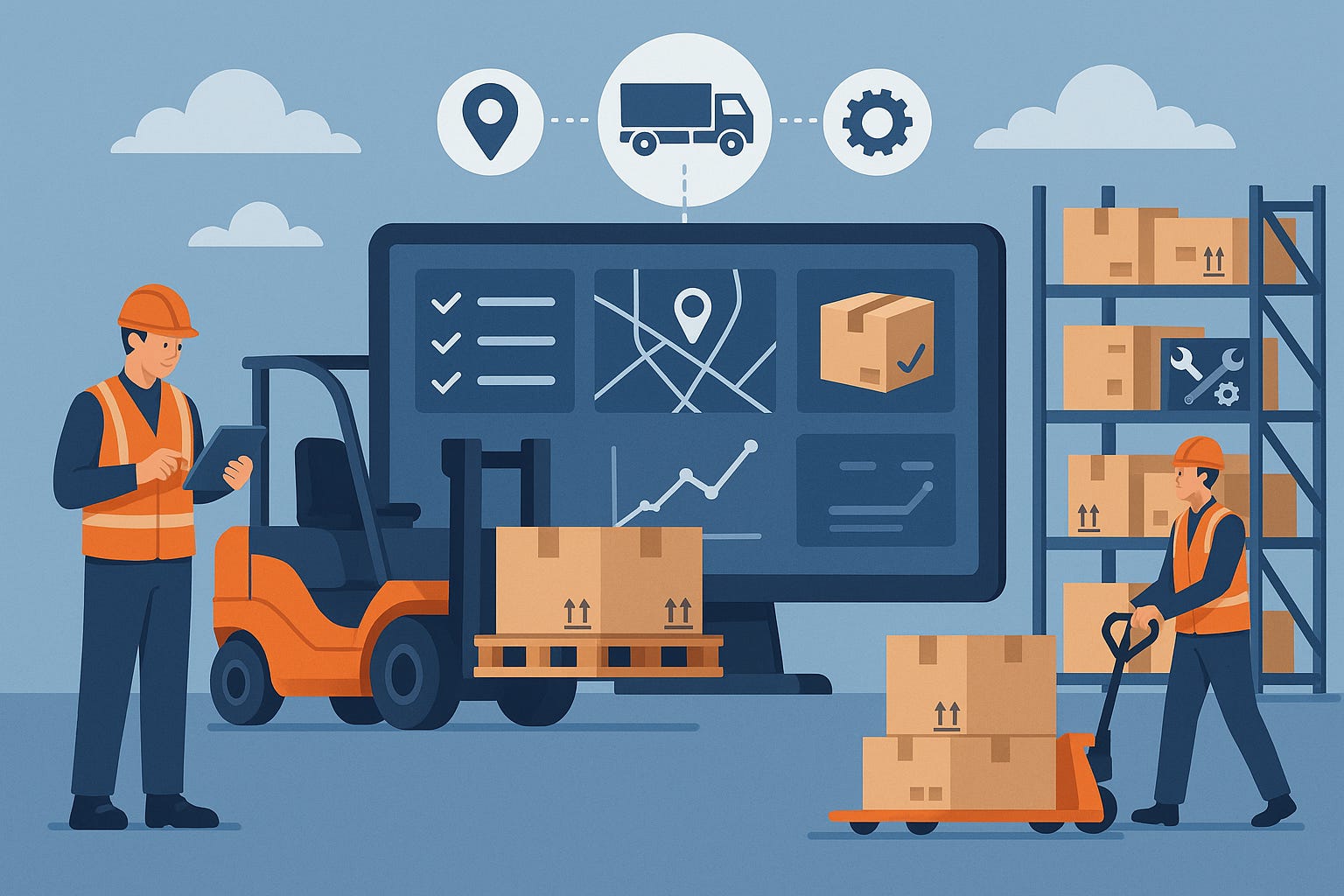
The demand for seamless B2B logistics has grown substantially as hardware startups scale up, ship prototypes, or fulfill international contracts. Whether it’s a new IoT device or a custom embedded system, getting physical products to partners, investors, or customers requires more than just reliable transport-it requires a logistics strategy. Companies looking for the best courier service in Viman Nagar often find themselves balancing reliability, speed, and technology integration to stay competitive in the global market.
In this post, we explore how modern courier solutions, empowered by logistics tech, are enabling hardware startups to handle B2B fulfillment with precision and scale. If you’re building, scaling, or supporting a hardware-based business, this is for you.
Smart Dispatching and Route Optimization: Saving Time and Cost
One of the most immediate benefits logistics technology brings to B2B fulfillment is real-time dispatch and route planning. For hardware startups, time-to-market can be everything-especially when you’re shipping a limited production run or fulfilling time-sensitive orders for trade shows or enterprise pilots.
Modern courier platforms now integrate with AI-powered route optimization engines. These systems calculate the best delivery paths in real time, factoring in traffic, weather, vehicle type, and even parcel fragility. The result? Lower fuel costs, faster deliveries, and happier stakeholders.
When integrated with ERP systems or inventory tools, these optimized routes also trigger proactive updates, allowing logistics managers to track critical shipments and troubleshoot delays before they impact client relationships. If your company is based near Pune’s emerging tech corridors and sourcing the best courier service in Viman Nagar, this kind of efficiency becomes a competitive differentiator.
API-First Logistics: Automating Fulfillment from Product to Doorstep
For hardware companies shipping development kits, components, or end-user devices, manual handoffs between e-commerce or CRM systems and logistics providers create friction. This is where API-first courier services shine.
By using APIs, startups can automate the fulfillment process-from label generation to delivery status updates-directly from their backend systems. Orders placed via a sales dashboard or e-commerce site can be routed instantly to a courier for pickup, drastically reducing human error and order lag.
Some forward-thinking courier providers even offer webhooks for status changes, so your customer service team can receive alerts when a parcel is delayed at customs or when proof of delivery is signed. These integrations turn your logistics function into an agile, intelligent workflow rather than a disconnected back-office task.
Scalability and Micro-Fulfillment: Catering to Lean Hardware Teams
Startups don’t often have the luxury of massive warehouses or logistics teams. That’s why scalability-and micro-fulfillment models-are particularly useful. With micro-fulfillment, products are stored and shipped from small local hubs that are close to the end customer. This model not only reduces shipping times but also supports regional compliance and customer preferences.
The best courier service in Viman Nagar and similar tech-forward partners are adopting this model by offering storage and fulfillment-as-a-service (FaaS). For a growing hardware company, that means fewer investments in infrastructure while maintaining professional delivery standards.
Moreover, local warehousing can support just-in-time (JIT) inventory models. Instead of bulk-shipping products across the country or internationally, startups can keep a small buffer stock closer to demand centers-reducing overstock and improving cash flow.
Real-Time Visibility and Predictive Analytics: Turning Data into Delivery Confidence
Visibility isn’t a nice-to-have anymore-it’s a baseline expectation. Today’s courier partners provide live GPS tracking, geofencing alerts, and even estimated delivery windows with predictive accuracy. But beyond tracking, analytics is where the real transformation happens.
By analyzing delivery times, failure rates, reroutes, and customer satisfaction data, startups can improve every part of their fulfillment process. For example, if frequent delays are noticed in last-mile deliveries to Southeast Asia, you can reconsider warehouse placement or customs documentation strategies.
This kind of data-driven insight is especially valuable for high-value shipments like industrial sensors, robotics parts, or early prototype devices. Knowing where a package is-and when it will arrive-isn’t just about convenience; it’s about safeguarding innovation and maintaining investor confidence.
Conclusion
In the race to build scalable and globally competitive hardware products, logistics often gets left behind as a mere operational concern. But in reality, it’s a strategic asset. By aligning with a courier partner that understands the stakes-particularly those offering tech-integrated, scalable, and reliable services-hardware startups can unlock faster go-to-market, better customer experiences, and a more efficient supply chain.
If your operations are centered around Pune’s innovation hubs, investing in the best courier service in Viman Nagar means more than just on-time shipping-it’s about partnering with a logistics provider that grows with you, automates intelligently, and delivers visibility at every step.
The future of B2B hardware fulfillment is fast, connected, and data-driven. Make sure your courier partner is, too.